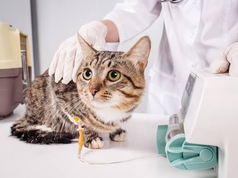
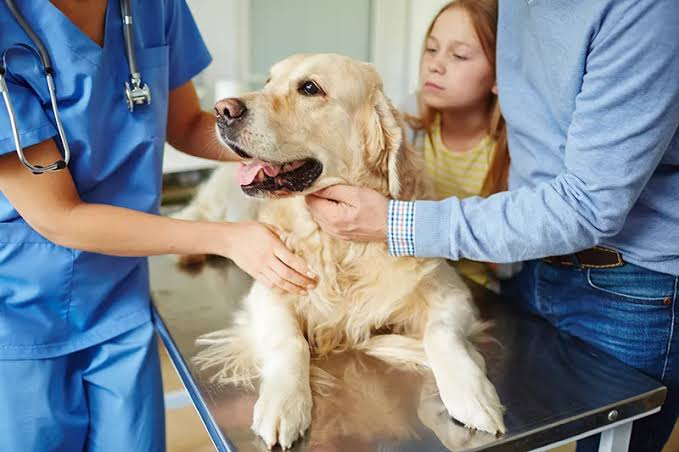
You might be feeling a mix of joy and worry right now. Bringing home a puppy or kitten is exciting, but it also comes with a steady stream of questions. Is that sneeze normal? Should they be eating more? Are vaccines due already? One day you are watching them tumble across the floor, and the next you are wondering if you missed something important. That tension is real, and it is one reason Why Pediatric Pet Care Is Best Handled In Veterinary Clinics comes up so often for new pet owners, especially when visiting a veterinary clinic in Dallas.
Young pets change fast, and small problems can turn into bigger ones before you even realize there is an issue. The short answer is simple. Early care in a veterinary clinic gives your pet the best chance at healthy growth, safe vaccination timing, parasite control, and early detection of hidden problems. It also helps protect your household from diseases that can pass between animals and people.
Why can caring for puppies and kittens at home feel harder than expected?
At first, home care can seem manageable. Food, water, a warm bed, and plenty of love. But pediatric pet care is not just basic care. It is a stage of life when bones, teeth, immune systems, digestion, and behavior are all developing at once. What looks minor in an adult pet can be serious in a very young one.
Because of this, you might wonder whether online advice and pet store guidance are enough. Usually, they are not. Young animals need care based on age, weight, breed, vaccine history, and exposure risks. A puppy that visits dog parks has different needs than one who stays indoors. A kitten in a multi cat home may face different parasite and infection risks than a single indoor kitten.
That is where a veterinary clinic matters. A clinician can track growth, listen for heart murmurs, check hydration, examine stool issues, look for birth defects, and build a vaccine plan that fits your pet. This is not just routine. It is early protection during the stage when pets are most vulnerable.
What risks are easier to catch early in a veterinary clinic?
Many of the biggest threats to young pets are easy to miss at home. Parasites, low blood sugar, congenital problems, poor weight gain, and infections can start quietly. A playful puppy can still have worms. A cuddly kitten can still carry an illness that affects both pets and people.
The public health side matters too. The Centers for Disease Control and Prevention explains the basics of healthy pet care and disease prevention, including ways animals and people can share germs. Their guidance for keeping dogs healthy and safe around families also shows how preventive care lowers risk at home. For cat owners, Cornell’s veterinary experts highlight the importance of responsible cat ownership to reduce zoonotic disease risk. If you have children, older adults, or anyone with a weaker immune system in the home, this matters even more.
So, where does that leave you? It means young pet veterinary care is not only about treating illness. It is about spotting risk before illness takes hold. That is a very different level of care than watching and waiting.
How does professional pediatric pet care compare with trying to manage it on your own?
It helps to see the difference clearly. Home care still matters, of course. You are the one who notices habits, energy, appetite, and mood. But there are limits to what can be safely handled without training and tools. A clinic fills those gaps.
| Area | At Home Only | In a Veterinary Clinic |
| Vaccines | Timing can be confusing, missed doses can leave gaps in protection | Age based schedule, proper storage and handling, follow up reminders |
| Parasite Control | Symptoms may be missed, product choice can be risky for very young pets | Fecal testing, weight based dosing, safe prevention plans |
| Growth and Nutrition | Hard to tell if weight gain is normal for breed and age | Body condition checks, feeding guidance, early nutrition adjustments |
| Hidden Health Issues | Heart, dental, and developmental problems may go unnoticed | Physical exams can catch concerns before they worsen |
| Family Safety | Less guidance on disease prevention and safe handling | Clear advice on hygiene, bites, scratches, parasites, and zoonotic risk |
This is why many families find that puppy and kitten care at a veterinary clinic saves stress over time. It can also reduce costs later by catching issues before they become emergencies.
What should you do right now if you have a new puppy or kitten?
1. Schedule the first exam early.
Do not wait for symptoms. A first visit soon after bringing your pet home gives you a baseline. It also helps confirm age, weight, vaccine needs, parasite risk, and feeding guidance. Early exams are one of the smartest parts of pediatric pet care.
2. Bring a simple health log.
Write down what your pet is eating, how often they go to the bathroom, any vomiting or coughing, and changes in energy. If you adopted from a breeder or rescue, bring any records you have. Even a few notes can help a veterinary clinic spot patterns quickly.
3. Ask for a full prevention plan.
Do not stop at vaccines alone. Ask about deworming, flea and tick prevention, nutrition, spay or neuter timing, socialization, and dental development. Good care is connected care, and a veterinary clinic can help you see the whole picture.
Why does this choice matter so much during the first year?
The first year shapes a lot of what comes next. Strong early care supports growth, behavior, and long term health. It gives you a trusted place to turn when something feels off, and that peace of mind matters more than many people expect. You do not have to guess your way through every symptom or second guess every decision.
If you have been feeling unsure, that does not mean you are doing anything wrong. It means you care. And when it comes to early veterinary clinic support for puppies and kittens, caring enough to get skilled help is often the best first step of all.
Your pet is growing fast, and this stage will not last long. Give them the kind of start that protects their health and supports your family’s peace of mind by working with a veterinary clinic for pediatric care.