Last Updated on November 4, 2026 by admin
It usually starts with a half chewed bottle, a spilled cleaner, a dropped pill, or a pet acting strangely for no clear reason. Your mind goes straight to the worst case, and for good reason. Poisoning can change a stable day into an emergency in minutes, and waiting too long can make treatment harder, riskier, and more expensive. If you suspect exposure, contact a trusted Kelowna veterinarian immediately.
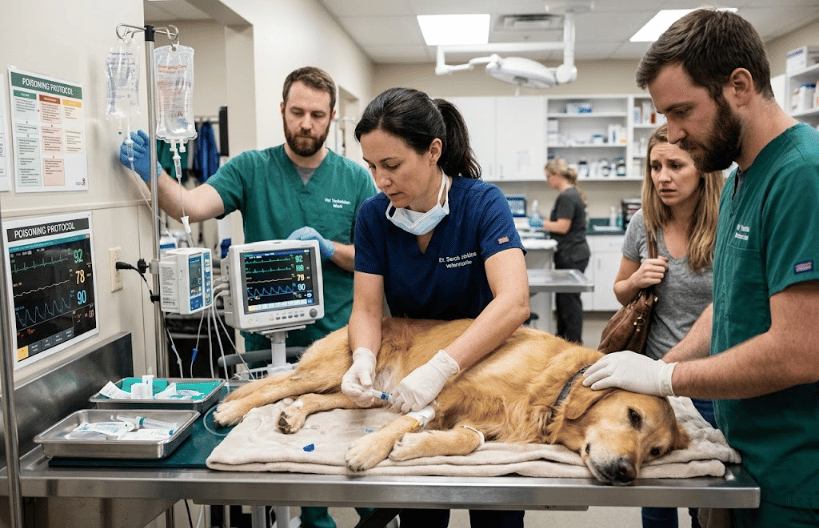
This is where the role of animal hospitals in treating emergencies like poisoning becomes clear. An animal hospital does more than confirm that something is wrong. It can identify the likely toxin, stabilize breathing and heart rate, control seizures or vomiting, protect organs, and decide whether your pet needs decontamination, antidotes, fluids, imaging, or overnight monitoring. Fast care often means a better outcome.
Animal hospitals move quickly when poisoning turns serious
You may be tempted to watch and wait, especially if your pet still seems alert. That is often the hardest part of a poisoning emergency. Some toxins cause immediate signs such as drooling, vomiting, tremors, collapse, or trouble breathing. Others stay quiet at first, then start damaging the liver, kidneys, nervous system, or red blood cells hours later.
An animal hospital is built for that uncertainty. The team can assess temperature, pulse, oxygen levels, blood pressure, hydration, and neurologic status right away. If your dog ate xylitol gum, the staff may be watching for a dangerous drop in blood sugar and possible liver injury. If your cat licked lily pollen, the focus may shift fast to kidney protection. If rodenticide is involved, the concern may be internal bleeding that is not obvious yet.
The FDA explains who to call if you have a pet emergency, and that guidance matters because timing matters. Calling a veterinarian or emergency animal hospital early can change the whole course of care.
Home remedies can delay treatment and raise the risk
When panic hits, people search for quick fixes. Inducing vomiting at home sounds simple until it is the wrong move. Some substances burn on the way back up. Some pets are already too weak, too sleepy, or too distressed to vomit safely. Others may inhale vomit into the lungs, which creates a second emergency.
Cornell’s guidance on first aid for poisonous substances makes the point clearly. The right response depends on what was swallowed, inhaled, or touched, how much, and when it happened. That is why veterinary emergency poisoning treatment is not one size fits all.
You might already be replaying the timeline in your head. Was it ten minutes ago or an hour. Did your pet swallow it or just chew it. Did any get on the skin. Those details matter, and an animal hospital uses them to decide whether activated charcoal, IV fluids, bloodwork, oxygen support, pain control, or another treatment is the safest path.
Emergency animal care for poisoning often protects organs before damage spreads
Poisoning treatment is not only about getting a toxin out. It is also about limiting what happens next. A pet with chocolate toxicity may need heart monitoring. A pet exposed to antifreeze may need urgent treatment before kidney injury sets in. A pet that inhaled fumes may need respiratory support and close observation. The CDC offers advice on how to respond to chemical emergencies involving pets, which shows how quickly exposure can become dangerous even outside the home.
This is one of the most overlooked parts of pet poisoning emergency care. By the time symptoms look dramatic, internal damage may already be underway. Animal hospitals work to interrupt that process early. They also know when a pet needs transfer to a 24 hour emergency facility for advanced monitoring or specialty care.
DIY responses and animal hospital treatment are not equal options
| Situation | At Home Response | Animal Hospital Response |
| Unknown substance ingested | Guessing based on symptoms, risk of delay | Triage, poison assessment, exam, diagnostics, targeted treatment |
| Vomiting after exposure | May assume toxin is leaving the body | Checks dehydration, aspiration risk, ongoing absorption, organ stress |
| Chemical on fur or skin | Possible incomplete rinsing or unsafe product use | Safe decontamination, eye and skin evaluation, respiratory monitoring |
| No symptoms yet | False sense of safety | Recognizes delayed onset toxins and starts preventive care |
| Seizures, collapse, trouble breathing | No safe way to stabilize at home | Emergency drugs, oxygen, IV access, continuous monitoring |
Cost is a real concern, and many families hesitate because of it. The harder truth is that delayed care can lead to longer hospitalization, more testing, and a worse outcome. Early treatment is often the more controlled and less costly option compared with waiting until a pet is crashing.
Three steps to take right away during a poisoning emergency
1. Remove access and gather evidence. Take the substance away from your pet. Save the package, label, plant sample, or medication bottle. If possible, note how much is missing and when exposure may have happened. Bring that information with you.
2. Call an animal hospital immediately. Do not induce vomiting or give food, milk, or home remedies unless a veterinary professional tells you to. Share your pet’s weight, age, symptoms, and the product involved. Clear details help the team prepare before you arrive.
3. Transport your pet calmly and safely. Keep your pet warm and quiet. If there is chemical residue on the coat, avoid spreading it to yourself or your car and follow professional instructions. If your pet is weak, having tremors, or struggling to breathe, head in without delay.
Fast veterinary care gives poisoned pets the best chance
Poisoning emergencies feel chaotic because they are chaotic. You are trying to think clearly while your pet may be getting sicker by the minute. An animal hospital brings order to that moment. It identifies the threat, supports the body, and treats the damage you cannot see from the outside.
If you suspect poisoning, act on the first concern instead of waiting for proof. Quick help from an animal hospital can make the difference between a brief emergency visit and a much more serious crisis.