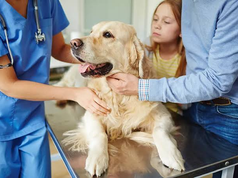
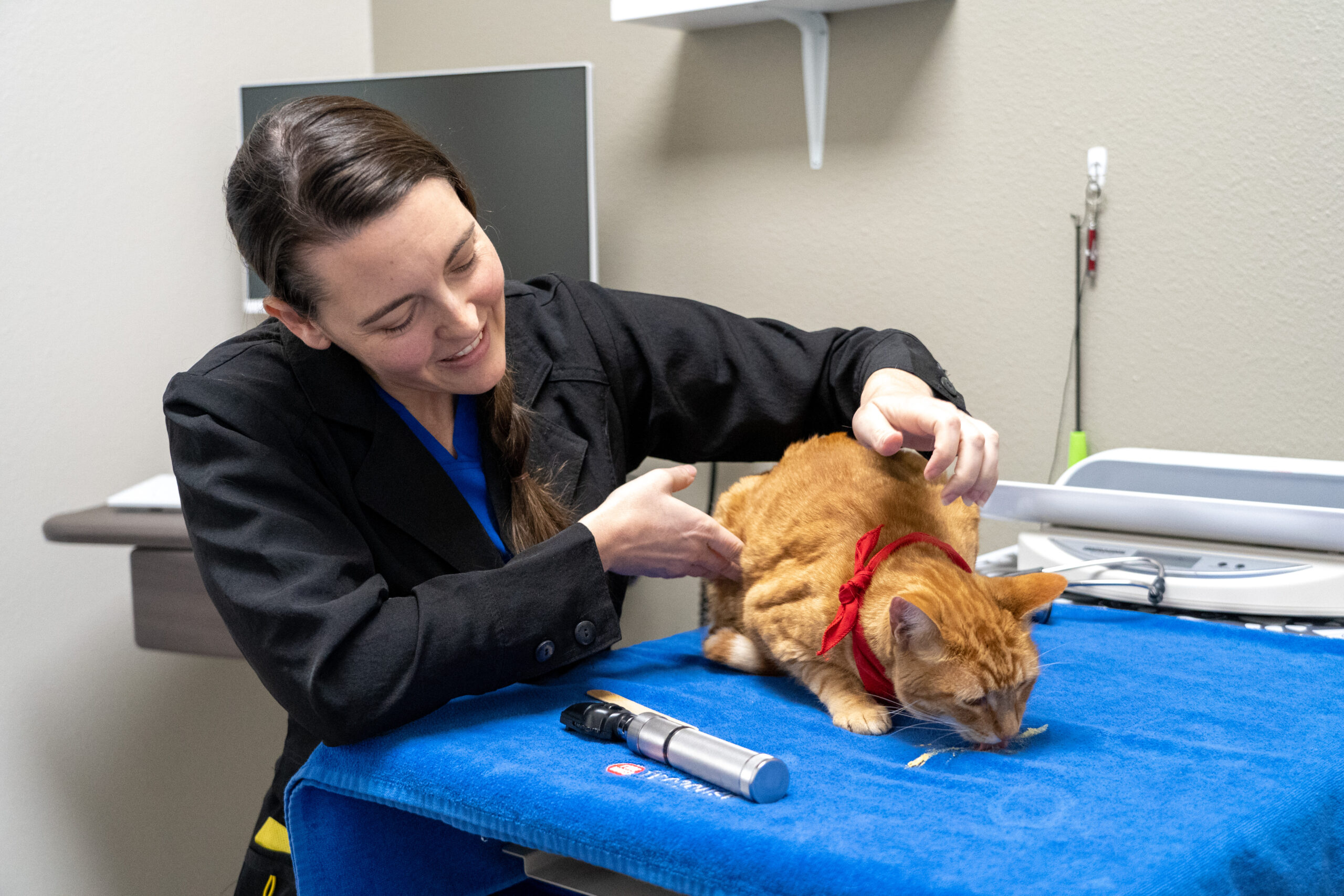
You do not think about limits first when your pet is in trouble. You think about breathing, pain, bleeding, panic, and how fast someone can help. That is why mobile veterinary care, including Greater Monroe mobile veterinary services, feels so reassuring. A veterinarian comes to you, your pet stays in a familiar space, and you avoid the stress of loading a sick or frightened animal into the car. Then the harder truth shows up. A house call is not the same as a full hospital, and in an emergency, those limits matter.
The goal is not to talk you out of using a mobile veterinarian. It is to help you ask better questions before a crisis hits. The right questions tell you what can be handled at home, what needs immediate transport, and how to avoid losing time when every minute counts. If you rely on a mobile provider, you need a clear picture of their emergency scope, their equipment, and their backup plan.
Emergency limits in mobile veterinary care shape what happens in the first critical hour
A mobile visit can be the best option for some urgent problems. It may help with pain control, wound assessment, basic stabilization, nausea, dehydration, end-of-life support, or a sudden decline in a pet that cannot travel well. It can also lower stress for cats, senior dogs, and pets who shut down in a clinic setting.
The limits appear when a pet needs advanced imaging, oxygen cages, blood transfusions, surgery, round-the-clock monitoring, or a larger medical team. You do not want to discover that in the middle of a seizure, collapse, toxin exposure, heatstroke, or blocked bladder. This is where emergency mobile vet care limits become practical, not theoretical.
Ask this first: what emergencies can you treat in the home, and which ones do you refer out immediately? A good answer should be specific. “We can assess breathing distress but may still need transfer for oxygen support.” “We can begin comfort care and triage for a possible urinary blockage, but surgery and hospitalization happen at an ER.” General reassurance is not enough.
Ask what equipment is actually carried in the vehicle. That may include IV fluids, emergency drugs, bandaging supplies, sedation tools, ultrasound, oxygen support, or point of care testing. If a service advertises urgent help, you should know whether that means true stabilization or simply evaluation with a referral. The difference affects outcome, cost, and timing.
A mobile veterinarian should explain transport, referral, and after-hours coverage clearly
Many pet owners assume the mobile veterinarian will stay through the whole emergency. Sometimes that happens. Often it does not, because home care has a ceiling. If your pet worsens, who coordinates transfer? Do they call the receiving ER? Do they send records ahead? Do they ride with you? Do they have local partnerships with hospitals? These details matter when your hands are shaking, and your pet is getting weaker.
After-hours coverage deserves its own question. Some mobile practices offer urgent visits only during business hours. Others have limited evening availability. Some do not handle emergencies at all. If your pet crashes at 2 a.m., the right plan may be direct transport to an emergency hospital, not waiting for a callback.
This is also where family preparedness comes in. The CDC has practical guidance on pet emergency preparedness, including planning before storms, evacuations, and sudden disruptions. A mobile provider can be part of that plan, but not the entire plan.
The six questions reveal the real boundaries of at-home emergency pet care
These are the six questions worth asking before you need answers fast.
First, what conditions can you fully manage at home, and what conditions require immediate hospital transfer?
Second, what emergency equipment and medications do you carry on every call?
Third, can you provide stabilization before transport, such as pain relief, fluids, oxygen support, or seizure control?
Fourth, how do you handle diagnostics? Can you run bloodwork, imaging, or tests in the home, and how quickly do results come back?
Fifth, what is your referral process if my pet needs surgery, hospitalization, or overnight monitoring?
Sixth, what happens after hours, on weekends, or during a local disaster when roads, power, or clinics may be affected?
You are not being difficult by asking this. You are protecting your pet from delays, duplicate costs, and the false comfort of assuming all urgent care can happen in the living room. At-home emergency pet care can be excellent care, but only when everyone is clear about its limits.
Comparing mobile veterinary care with hospital-based emergency care clarifies the tradeoffs
| Care Setting | Best For | Main Limits | What to Confirm |
| Mobile Veterinarian | Stress-sensitive pets, triage, comfort care, basic stabilization, some urgent assessments | Limited staff, limited equipment, no major surgery, no overnight monitoring | Scope of emergencies treated, equipment carried, referral process |
| Emergency Veterinary Hospital | Trauma, surgery, oxygen support, hospitalization, blood transfusions, continuous monitoring | Travel stress, wait times, higher overhead costs | Distance, hours, specialty services, intake procedures |
| Preparedness at Home | Faster response, safer evacuation, reduced confusion during disasters | Does not replace medical treatment | Medication list, crate access, records, transport plan, emergency kit |
If you live in an area prone to storms, fire, or evacuation orders, planning gets even more urgent. The CDC explains how pets may be handled in evacuation centers, which helps you prepare for situations where a mobile veterinarian may not be able to reach you at all.
Three steps make mobile vet emergency planning more workable right now
Get a written emergency scope. Ask your mobile provider for a plain language outline of what they do, what they do not do, and where they refer critical cases. Save it on your phone and print a copy for home.
Build a transport-ready pet file. Keep your pet’s records, medication list, recent lab work, and the address of the nearest ER in one place. Add a carrier, leash, muzzle if needed, towels, and payment options. The CDC also offers a helpful checklist for a pet preparedness kit.
Decide your threshold for leaving home. If your pet has trouble breathing, collapses, has repeated seizures, cannot urinate, or may need surgery, know in advance that the plan is direct hospital care. This prevents the dangerous pause where people keep hoping a house call will be enough.
Clear questions lead to faster decisions and calmer care
You are trying to do right by your pet under pressure, and that pressure can blur basic decisions. A good mobile veterinarian can be a meaningful part of emergency support, especially for triage and stabilization, but the safest care starts with honest expectations. Ask the six questions now, save the answers, and make sure your backup plan is as clear as your first choice.
When the moment comes, clarity feels a lot like relief.