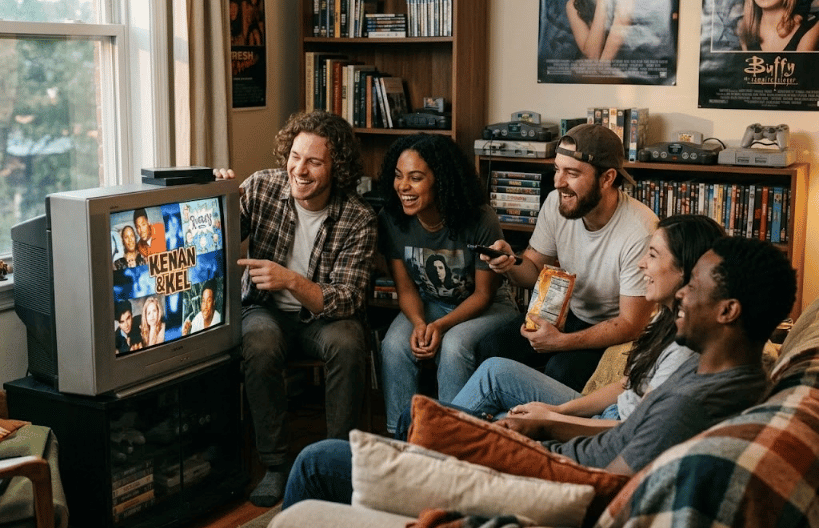
Childhood TV shows can bring back memories faster than an old photograph or forgotten toy. A familiar theme song can recall Saturday mornings, after-school snacks, and family living rooms. For American kids, the ’90s and 2000s produced an unusually memorable mix of cartoons, sitcoms, and educational programs.
The most memorable kids’ series combined distinctive characters, catchy themes, humor, and stories children could understand. Nickelodeon, Disney Channel, Cartoon Network, and PBS Kids each offered a different experience. Together, their programs created a shared pop-culture language that many adults still recognize today.
| Era or category | What viewers often remember | Standout examples |
|---|---|---|
| 1990s Nickelodeon | Oddball humor and memorable characters | Rugrats, Hey Arnold!, Doug |
| Cartoon Network | Bold animation and fast comedy | Dexter’s Laboratory, The Powerpuff Girls |
| PBS Kids | Educational stories with warm characters | Arthur, The Magic School Bus |
| Early 2000s Nickelodeon | Cartoons mixed with teen comedy | SpongeBob SquarePants, Drake & Josh |
| Disney Channel | School, friendship, music, and family comedy | That’s So Raven, Lizzie McGuire |
| Mid-2000s animation | Bigger stories and stronger continuity | Avatar: The Last Airbender, Teen Titans |
Key takeaways
* American kids had unusually varied viewing choices across cable and public television. * The ’90s favored distinctive animated worlds, while the 2000s added more live-action teen comedy. * Theme songs, recurring jokes, and familiar characters helped programs stay memorable. * Many favorites worked because parents and children could enjoy different layers of the same episode. * Streaming has given several older series a second life with both former viewers and younger audiences.
Why Childhood TV Shows Still Feel So Familiar
Nostalgia works best when memories connect with routines, people, and places. Kids rarely watched a favorite program in isolation from the rest of daily life. They watched before school, after homework, or while sitting beside siblings and friends.
Television schedules also created rituals that streaming rarely requires today. Missing an episode could mean waiting days for another chance to see it. That scarcity made favorite characters and opening themes feel more important.
The strongest programs also had identities that were easy to recognize. A few seconds of music, animation, or dialogue could identify an entire series. That instant recognition explains why old clips still spread so easily online.
The Nickelodeon Shows That Defined a Generation
Nickelodeon built much of its reputation around cartoons that felt stranger than traditional children’s animation. Rugrats turned ordinary family life into an adventure from a toddler’s viewpoint. Hey Arnold! mixed comedy with quieter stories about school, neighborhoods, friendship, and growing up.
Doug offered a more personal style centered on everyday worries and imagination. The Wild Thornberrys added travel and wildlife to its family stories. SpongeBob SquarePants brought a faster and more absurd comic style that crossed generations.
SpongeBob began its Nickelodeon run in 1999 and continued well beyond its original era. That longevity helped it connect late-’90s viewers with several younger generations. Current nostalgia roundups still frequently include the series among defining favorites.
Nickelodeon also became a major home for live-action comedy. Kenan & Kel, The Amanda Show, Drake & Josh, and Zoey 101 became familiar after-school choices. Their school settings and sibling conflicts made the comedy feel close to viewers’ own lives.
Cartoon Network Made Weirdness Part of the Fun
Cartoon Network offered a noticeably different visual identity. Dexter’s Laboratory put a secret genius laboratory inside an ordinary suburban home. Johnny Bravo exaggerated confidence and failure into a simple comic formula.
The Powerpuff Girls combined superhero action with bright colors and playful humor. Ed, Edd n Eddy focused on neighborhood schemes that almost always collapsed. Courage the Cowardly Dog mixed comedy with imagery that could feel surprisingly unsettling.
Those programs didn’t need realistic situations to feel relatable. Their characters had recognizable fears, rivalries, ambitions, and friendships. Children could understand the emotions even when the stories became completely ridiculous.
PBS Kids Proved Educational Shows Could Be Favorites
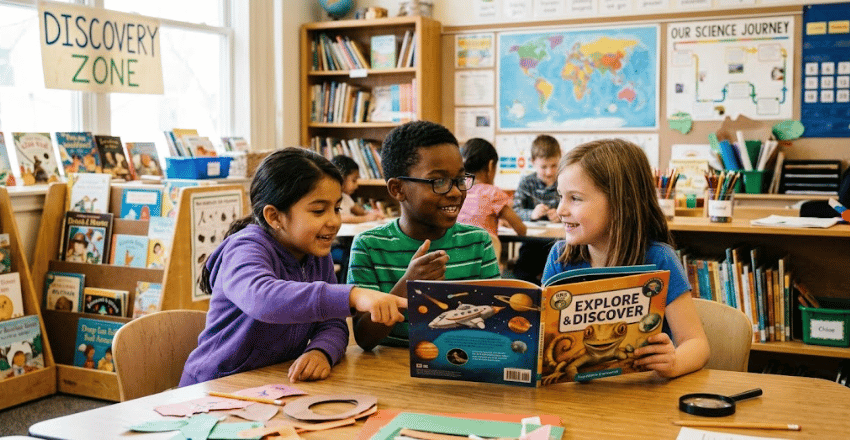
Public television gave many American children a different kind of viewing experience. Arthur turned everyday problems into approachable stories about school, family, honesty, and friendship. It was calm enough for younger children without treating them as incapable of understanding conflict.
The Magic School Bus used impossible field trips to explain science concepts. Ms. Frizzle could take a class anywhere a lesson required. The show made curiosity part of the adventure instead of separating learning from entertainment.
Programs such as Dragon Tales, Zoboomafoo, and Reading Rainbow also became recognizable fixtures for many households. Their appeal depended less on fast jokes and more on discovery. That gave PBS programming its own nostalgic identity beside cable channels.
Disney Channel Turned Everyday Teen Life Into Event Television
Disney Channel became especially important for viewers who entered childhood during the 2000s. Lizzie McGuire focused on school embarrassment, friendship, and growing independence. Its stories felt heightened, but the situations remained recognizable.
That’s So Raven added psychic visions to the familiar teen sitcom structure. Raven’s attempts to interpret those visions regularly created the episode’s biggest complications. Disney lists the series as a 2003 comedy and fantasy program centered on Raven Baxter and her friends.
The Suite Life of Zack & Cody moved childhood mischief into a hotel. Hannah Montana mixed ordinary school problems with a secret celebrity identity. Wizards of Waverly Place later added magic to another family-centered comedy formula.
Disney also produced stars who remained connected to television culture long after their original programs ended. Magazinexu already covers one later Disney figure in its piece about Dove Cameron and her television career. That connection offers a useful internal path for readers interested in Disney personalities.
25 Favorites That Still Trigger Instant Nostalgia
The following selection covers animation, live action, educational programming, and several generations of cable viewers. It is not meant as a ranking. Instead, it reflects titles that frequently appear in nostalgia conversations and current retrospective lists.
| # | Show | Main association |
|---|---|---|
| 1 | Rugrats | Nickelodeon baby adventures |
| 2 | Hey Arnold! | City childhood and friendship |
| 3 | Doug | School life and imagination |
| 4 | The Wild Thornberrys | Family travel and wildlife |
| 5 | SpongeBob SquarePants | Surreal underwater comedy |
| 6 | Kenan & Kel | Live-action buddy comedy |
| 7 | The Amanda Show | Sketch comedy |
| 8 | Drake & Josh | Sibling sitcom humor |
| 9 | Zoey 101 | Boarding-school friendships |
| 10 | Dexter’s Laboratory | Science and sibling rivalry |
| 11 | The Powerpuff Girls | Superhero comedy |
| 12 | Johnny Bravo | Character-driven slapstick |
| 13 | Ed, Edd n Eddy | Neighborhood schemes |
| 14 | Courage the Cowardly Dog | Comedy mixed with horror |
| 15 | Teen Titans | Superheroes and friendship |
| 16 | Arthur | School and family lessons |
| 17 | The Magic School Bus | Science adventures |
| 18 | Dragon Tales | Fantasy and early learning |
| 19 | Zoboomafoo | Animals and nature |
| 20 | Lizzie McGuire | Middle-school life |
| 21 | That’s So Raven | Teen comedy and psychic visions |
| 22 | The Suite Life of Zack & Cody | Hotel-based sitcom |
| 23 | Hannah Montana | School life and secret fame |
| 24 | Wizards of Waverly Place | Family comedy with magic |
| 25 | Avatar: The Last Airbender | Serialized fantasy adventure |
What Changed Between ’90s and 2000s Kids’ Television?
The biggest change was not a clean break between two decades. Instead, animation remained strong while live-action youth sitcoms became increasingly visible. Viewers could move from superheroes to school comedy without leaving children’s programming.
The 2000s also placed more emphasis on young performers as recognizable entertainment personalities. Disney Channel became especially associated with that model. Current Disney retrospectives still group Raven Baxter and other 2000s characters as defining parts of that period.
Meanwhile, the internet began changing how audiences discussed entertainment. That shift eventually replaced much of the shared television schedule with on-demand viewing and social platforms. Magazinexu’s broader Entertainment section covers how entertainment now spans television, personalities, and digital media.
Why Rewatching Old Favorites Feels Different as an Adult
Adults often notice jokes and themes they missed when they were young. A simple cartoon episode may suddenly reveal jokes written for parents. A school sitcom can also feel different once the viewer remembers the situation instead of living through it.
Older series can also expose how much television production has changed. Pacing, visual effects, fashion, technology, and even episode structure reveal their era. Those differences often strengthen the nostalgic feeling rather than weaken it.
Today, clips from older programs circulate beside newer entertainment on social platforms. Magazinexu’s guide to accessing TikTok and modern digital entertainment shows how differently audiences now discover content. Television memories that once depended on schedules can now reappear through a short video.
Are These Shows Still Worth Watching?
A nostalgic favorite does not need to feel modern to remain enjoyable. Part of the appeal comes from seeing the creative choices that defined another period. Familiar voices and opening themes can also make a rewatch relaxing.
New viewers may react differently because they lack the original childhood context. Some jokes, effects, or storytelling styles can feel dated. Other programs hold up because their characters and conflicts remain easy to understand.
Parents can also use older favorites as a way to share their own childhood culture. Watching together gives adults a chance to explain why certain characters mattered. It can turn a simple rerun into a conversation between generations.
FAQ About Childhood TV Shows
Which childhood TV shows were especially popular with ’90s kids?
Many ’90s viewers remember Rugrats, Hey Arnold!, Doug, Dexter’s Laboratory, Arthur, and The Powerpuff Girls. Cable networks and PBS offered noticeably different styles during the decade. Current retrospective lists continue to group many of these programs together.
What did American kids commonly watch during the 2000s?
The 2000s mixed animation with a growing selection of live-action youth sitcoms. SpongeBob, Drake & Josh, That’s So Raven, and Disney’s hotel and music comedies became familiar choices. Current nostalgia lists still focus heavily on Disney Channel, Nickelodeon, and Cartoon Network.
Why do old kids’ programs feel so nostalgic?
They were often attached to repeated childhood routines. Theme songs, characters, and time slots became connected with home, school, siblings, and weekends. Hearing or seeing those familiar elements can reactivate several memories at once.
Where can viewers find old kids’ series today?
Availability changes because streaming rights move between services. Some older Disney programs currently appear through Disney’s own streaming catalog. Viewers should check current U.S. listings before subscribing specifically for one series.
Were old children’s programs better than today’s?
That depends heavily on personal experience and the age when someone watched them. Nostalgia can make familiar programs feel more meaningful than unfamiliar ones. Older and newer children’s programming both include strong and forgettable examples.
Keep the Memories Going
The programs people remember most were rarely only background entertainment. They became part of childhood routines, friendships, jokes, and family conversations. That personal connection explains why an old theme song can still feel instantly familiar.
Pick one favorite from the list and revisit an episode with fresh eyes. You may notice details that never registered during childhood. Then explore more entertainment stories on Magazinexu for another trip through popular culture.