
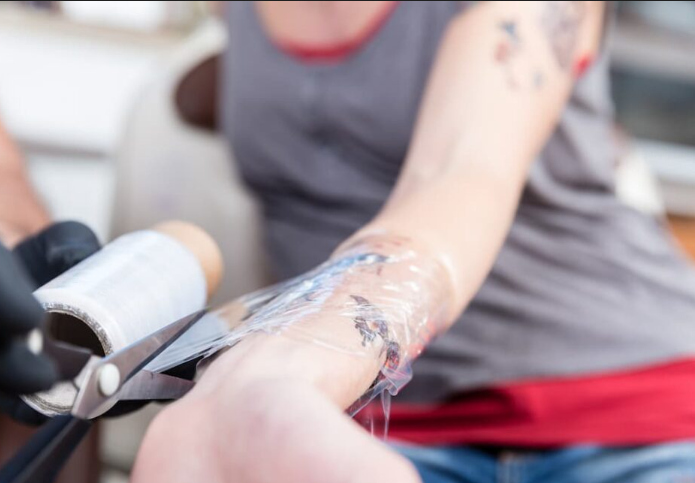
Tattoo aftercare is the most crucial part of securing a beautifully healed design for life. Some of the different aftercare procedures include dry healing and wrap healing, both popular. Knowing the differences between them will allow you to choose the method that works best for your tattoo, skin type, and lifestyle.
What Is Dry Healing?
Dry healing involves the tattoo being left exposed to air after the initial cleaning and letting the tattoo heal on its own without the application of any ointments or coverings. The method is based upon the belief that the skin will, in due course, find its own way to protect itself. Most artists who advocate dry healing will recommend washing the tattoo gently with soap and allowing it to dry completely before going back to normal activities.
Benefits of Dry Healing
- Allows regeneration of skin naturally.
- Prevents excessive moisture that can entrap bacteria.
- Requires fewer touch-ups and maintenance, most often.
What Is Wrap Healing?
Wrap healing utilizes a protective covering of some sort, such as plaster, adhesive bandaging, special tattoo films, etc., that protects from friction, dirt, and other irritants inflicted upon the tattoo during its early healing phases. The duration for which the covering is kept will vary according to the artist’s recommendations, which may range from a few hours to a day.
Benefits of Wrap Healing
- Keep contaminants from entering.
- Friction caused by clothing or movement is reduced.
- Reduces the likelihood of scabbing or ink loss in the first 24-48 hours.
Factors That Influence Healing Choice
The choice between dry and wrap healing depends on:
- Tattoo size and place: Larger tattoos or those located in areas prone to rubbing might benefit from wraps.
- Skin type: Sensitive or dry skin may benefit from a light wrap and gentle moisturizing treatment.
- Lifestyle considerations: An active person or someone affected by dirt or sweat may want to wrap protection initially.
Combine the Two Methods for Best Results
Some artists will recommend a combination system, wrapping the tattoo for the first few hours or nights, then the dry healing method. The hybrid system will protect and allow some air exposure to reduce the risk of infection and allow some amount of natural healing.
This post was written by J Michael Taylor. J Michael Taylor is an artist and the owner of Black Amethyst Tattoo Gallery. Black Amethyst is the Best Tattoo Artist in Tampa. They provide an art-first approach to custom tattooing in a gallery setting.
Understanding Tattoo Aftercare Approaches
Proper aftercare determines how well a tattoo heals and maintains its appearance. Two commonly used techniques are air-based healing and protective covering care. Each method supports recovery in a different way and suits different needs.
Air-Based Healing Method
This approach leaves the tattoo uncovered after cleaning, allowing oxygen to aid the skin’s natural repair process while avoiding excess moisture buildup.
Protective Covering Method
Using medical films or wraps helps guard the tattoo from dirt, friction, and irritation during the early healing stage.
Making the Best Choice
Tattoo size, skin sensitivity, and lifestyle habits all influence which method delivers better healing results.