Last Updated on September 23, 2026 by haileywood
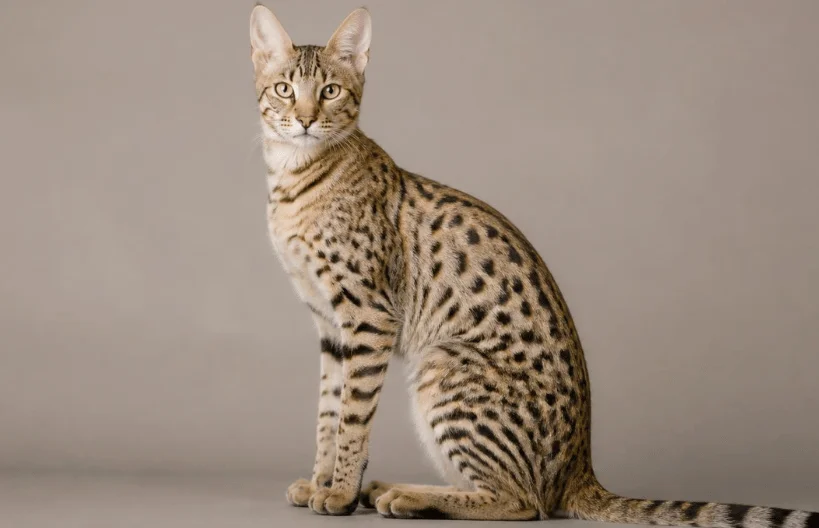
The most expensive cat is often listed as the Ashera, with advertised prices reaching $125,000. That headline needs a major caveat. The Ashera is not recognized as a separate breed, and tested examples were identified as Savannahs.
For U.S. buyers, the practical high-end benchmark is the early-generation Savannah. Current 2026 pricing commonly puts F1 kittens around $12,000 to $25,000 or more. Prices vary by breeder, generation, lineage, sex, and breeding rights.
Quick answer: The Ashera carries the famous $125,000 price tag, but its breed status is disputed. DNA testing on three confiscated animals identified them as F1 Savannahs. For a verifiable, TICA-recognized breed, early-generation Savannahs are the clearest expensive option, with current U.S. prices often reaching five figures.
| Key fact | What to know |
|---|---|
| Famous top price | Ashera advertisements have quoted prices up to $125,000. |
| Breed status | Ashera is not recognized as a separate major registry breed. |
| Recognized alternative | Savannah is recognized by The International Cat Association. |
| Current F1 pricing | Roughly $12,000 to $25,000 or more in current U.S. examples. |
| Main price factor | Earlier Savannah generations usually cost more than later generations. |
| U.S. ownership | State and local restrictions can apply to Savannah ownership. |
TL;DR
- The $125,000 Ashera figure comes from historic luxury marketing, not a standardized 2026 market.
- DNA testing on three Asheras seized in 2008 identified them as F1 Savannahs.
- Savannahs are a recognized breed, unlike the disputed Ashera label.
- F1 Savannah prices commonly reach five figures in the United States.
- Buyers should check local laws, pedigree records, breeder credentials, and long-term care costs.
Why the Most Expensive Cat Label Is Complicated
Lifestyle Pets began marketing the Ashera during the 2000s as an exclusive hybrid. Its claimed ancestry included domestic felines, African servals, and Asian leopard cats. Prices associated with the name eventually reached six figures in published guides.
The story changed after three animals were stopped at Amsterdam’s Schiphol Airport in 2008. DNA testing linked those animals to F1 Savannah stock from a Pennsylvania breeder. Those tests do not establish the ancestry of every animal ever sold under the name.
They do explain why modern buyers should treat the Ashera label cautiously. Major breed resources recognize Savannahs, while Ashera has no comparable registry standard. A high asking price alone cannot establish a distinct pedigree.
Ashera Versus Savannah: What Buyers Are Paying For
Savannahs have a documented history that predates the Ashera marketing campaign. TICA accepted the breed for registration in 2001. It later granted championship status to eligible Savannahs in 2012.
Generation has a large effect on purchase prices. F1 animals sit closest to their serval ancestor, while later generations have more domestic ancestry. Current U.S. pricing sources place F1 examples near $12,000 to $25,000 or higher.
| Breed or label | Approximate quoted price | Important context |
|---|---|---|
| Ashera | Up to $125,000 | Historic marketed figure; separate breed status is disputed. |
| F1 Savannah | About $12,000-$25,000+ | Recognized breed; prices depend heavily on generation. |
| Khao Manee | About $2,000-$11,000 | Published estimates differ substantially between sources. |
| Bengal | About $1,000-$5,000 for many examples | Exceptional pedigrees or show animals can cost more. |
| Sphynx | About $1,500-$6,000 | Breeder quality and pedigree affect pricing. |
| Maine Coon | About $1,500-$8,000 in recent guides | Pet and show-quality prices can differ widely. |
These figures are market ranges rather than fixed retail prices. Breeders set prices according to pedigree, demand, health testing, and intended ownership rights. A rare show prospect may cost much more than a companion-quality kitten.
What Makes Luxury Breeds So Expensive?
Several factors can push pedigree and hybrid prices far above normal adoption costs. The strongest price drivers tend to appear together in early-generation hybrids. Current breeder and pricing sources show how quickly costs rise near the serval end of a Savannah pedigree.
- Generation: Early-generation Savannahs generally command the highest prices.
- Breeding difficulty: Hybrid breeding programs can require specialized animals, facilities, and experience.
- Pedigree: Documented lineage and conformity to a registry standard can affect value.
- Breeding rights: Animals sold for breeding may cost more than companion animals.
- Health testing: Responsible programs spend money screening breeding animals and having kittens examined by a veterinarian.
- Scarcity: Limited supply can increase asking prices for uncommon bloodlines or generations.
A high price does not automatically mean higher quality. Documentation, health practices, and breeder transparency matter more than an exotic marketing label. Buyers should compare records instead of relying on exclusivity claims.
The Real Cost Goes Beyond the Purchase Price
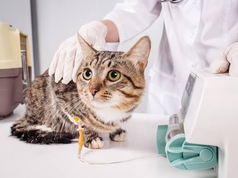
The purchase price is only the first expense. Owners still need food, preventive veterinary care, vaccinations, enrichment, supplies, and emergency savings. MagazineXu’s guide to how animal hospitals help pets live longer explains why routine monitoring can identify health problems earlier.
Veterinary diagnostics can add further costs during a pet’s life. Routine testing may be recommended before procedures or when symptoms appear. MagazineXu also explains how blood work supports veterinary decisions when physical examination cannot show the whole picture.
Unexpected injuries or illnesses can create another financial layer. Owners should know when ordinary appointments are insufficient. This guide to veterinary urgent care versus the ER explains the difference between urgent and emergencies.
Long-term illness can become more expensive than any one-time purchase. Chronic conditions may require repeated testing, medication, imaging, or specialist care. MagazineXu’s guide to internal medicine for complex pet conditions covers how those cases are investigated.
U.S. Ownership Rules Can Change the Answer
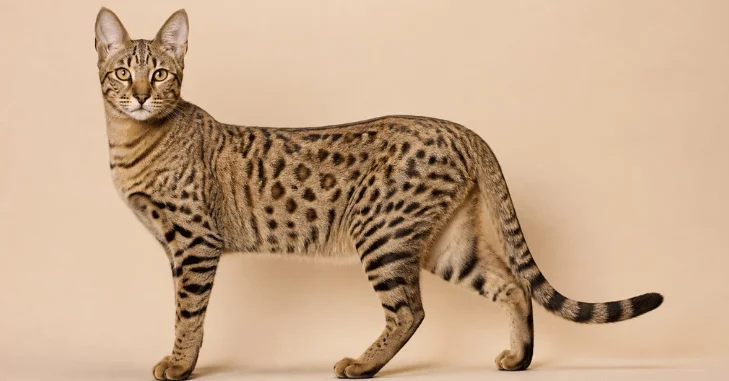
Savannah ownership is not treated identically throughout the United States. TICA notes that the breed remains illegal in some jurisdictions because of its serval ancestry. Buyers should check state, county, and city rules before sending a deposit.
Housing rules can create separate problems even where ownership is legal. Landlords, homeowners associations, or insurers may have their own restrictions. Access to a veterinarian comfortable with hybrid breeds should also be confirmed beforehand.
Legal status may depend on the animal’s generation or local wildlife rules. A seller’s assurance should not replace your own verification. Written guidance from the relevant government authority is safer than forum advice.
How to Verify a High-Priced Breeder
Expensive animals create strong incentives for misleading advertisements. A buyer should be able to trace the animal’s identity, ancestry, medical history, and seller. Missing paperwork deserves more scrutiny when thousands of dollars are involved.
- Ask for registry information and confirm it independently.
- Request pedigree records for the parents and kitten.
- Review documented health testing for the breeding animals.
- Ask which vaccinations, examinations, and microchips are included.
- Read the sales contract before paying any deposit.
- Confirm local ownership rules for that specific generation.
- Be cautious with sellers using the Ashera name without verifiable pedigree evidence.
TICA maintains breed information and listings for member breeders who have signed its Code of Ethics. That resource gives buyers a useful starting point for independent checks. It still does not replace careful review of an individual breeder.
What the $125,000 Figure Really Means
The famous six-figure price is best understood as a historic Ashera marketing figure. It should not be treated as a normal current transaction price for a recognized breed. Several modern pages still repeat the number, which helps keep the claim prominent in search results.
Current pricing gives a different picture for documented Savannahs. F1 examples commonly appear in the five-figure range rather than near $125,000. That makes pedigree verification especially important when a seller uses an exotic name to justify a much higher price.
Frequently Asked Questions
What is the most expensive cat in the world?
The Ashera is commonly named because published prices reached $125,000. Its status as a separate breed is disputed, though. Verified high-end Savannahs provide a clearer modern comparison for U.S. buyers.
Can you still buy an Ashera in the United States?
Advertisements may still use the Ashera name online. There is no major registry standard that lets buyers verify a separate Ashera pedigree. Buyers should demand documentation showing what animal they are purchasing.
How much does an F1 Savannah cost in 2026?
Current U.S. sources commonly place F1 prices between roughly $12,000 and $25,000 or more. Individual breeders may charge outside that range. Generation, lineage, sex, appearance, and ownership rights can affect the final price.
Are Savannahs legal in every U.S. state?
No single rule applies everywhere in the country. TICA warns that ownership remains restricted in some jurisdictions because of ancestry. Buyers should confirm current state and local requirements before purchasing.
Before You Pay a Deposit
Start with paperwork rather than the advertised price. Confirm registry records, health documentation, local legality, and realistic long-term costs before committing money. That approach helps separate a documented pedigree from an expensive marketing claim.