Last Updated on October 6, 2026 by Rida Hamid
Water damage is one of the most common and costly disasters a homeowner can face. Water can wreak havoc on your property if not addressed quickly and properly, whether caused by a burst pipe, flooding, roof leak, or appliance malfunction. Left untreated, it can lead to mold growth, structural damage, and expensive repairs.
So, what should you do if your home experiences water damage? Let’s discuss essential tips to help you minimize damage, restore your home, and prevent future issues.
1. Act Fast – Time is Your Biggest Enemy
When dealing with water damage, every second counts. The longer the water sits, the worse the damage gets. Did you know mold can start growing within 24-48 hours? Acting quickly can save you thousands of dollars in repairs.
What to Do Immediately After Water Damage:
✔ Shut Off the Water Supply – If a pipe bursts, turn off the main water valve to stop the flooding.
✔ Turn Off Electricity in Affected Areas – Water and electricity are a dangerous combination. If water has reached outlets or appliances, switch off the power at the breaker.
✔ Move Valuables to a Dry Area – Protect important documents, electronics, and furniture from further damage.
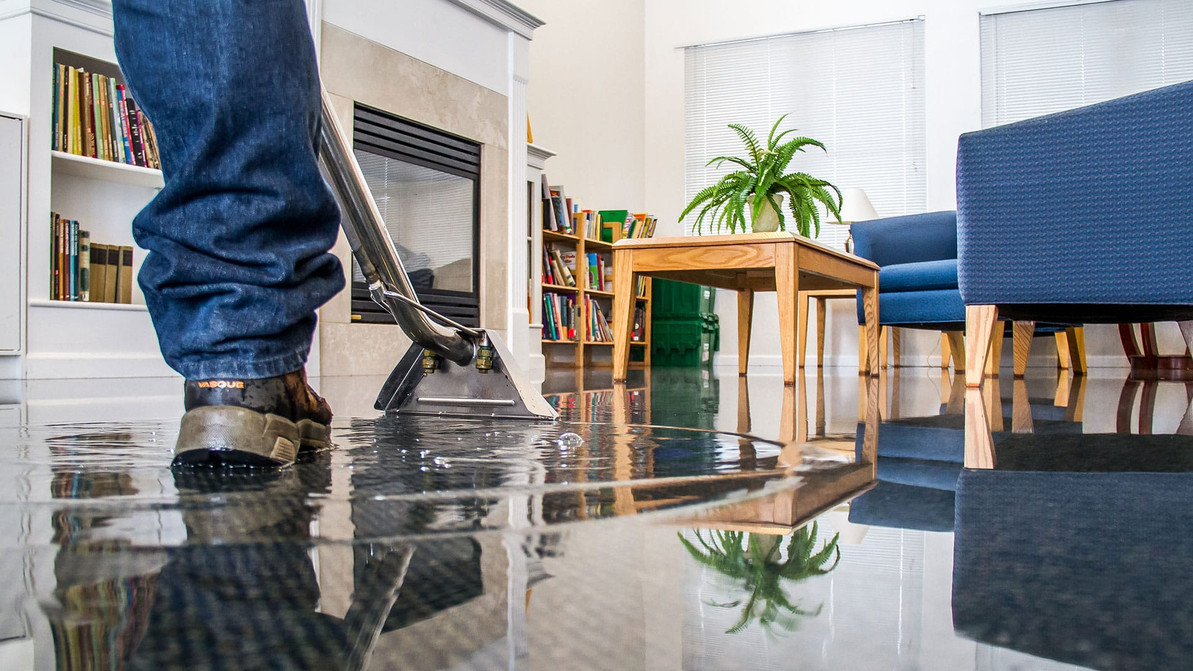
✔ Start Removing Standing Water – Use towels, a wet/dry vacuum, or a sump pump to get rid of excess water.
💡 Pro Tip: Know where your main water shutoff valve is located before an emergency happens. This can prevent major flooding if a pipe bursts.
2. Identify the Water Source and Category
Not all water damage is the same. The type of water involved determines how dangerous the situation is and how to proceed with cleanup.
Types of Water Damage:
🔹 Clean Water (Category 1): Comes from sources like broken pipes, overflowing sinks, or rainwater. It’s safe to handle but still needs immediate cleanup.
🔹 Grey Water (Category 2): Contains some contaminants from appliances (like washing machines) or minor leaks. Can cause illness if not properly cleaned.
🔹 Black Water (Category 3): The most hazardous type, often from sewage backups or floodwaters. It contains harmful bacteria and must be handled by professionals.
💡 Pro Tip: If you suspect black water contamination, avoid direct contact and call a professional restoration service immediately.
3. Remove Standing Water Quickly
Water spreads fast, seeping into floors, walls, and furniture. The longer it stays, the greater the damage.
Best Methods for Water Removal:
✅ Wet/Dry Vacuum – Works well for small to medium amounts of standing water.
✅ Sump Pump – Ideal for basement flooding or larger water accumulations.
✅ Mops & Towels – For minor leaks, absorb as much water as possible.
✅ Professional Extraction Equipment – Used by restoration companies for deep water removal.
💡 Pro Tip: Even after removing standing water, moisture can linger in walls and under floors. Drying is the next crucial step.
If you’re looking for expert help, TheDryGuy.com provides top-notch water damage restoration in Haltom City, TX, ensuring fast and efficient recovery for your home. Their professional team knows how to handle even the most severe water damage situations.
4. Dry Everything Thoroughly
Even if the visible water is gone, moisture can be trapped in materials, leading to mold growth and structural damage.
How to Speed Up Drying:
✔ Use High-Powered Fans – Circulate air to dry floors, carpets, and walls.
✔ Set Up Dehumidifiers – Remove excess moisture from the air to speed up drying.
✔ Open Windows & Doors – If the weather permits, fresh air helps with evaporation.
✔ Remove Wet Carpets & Padding – These materials absorb moisture and may need replacement.
✔ Check Hidden Areas – Use a moisture meter to ensure walls, ceilings, and floors are completely dry.
💡 Pro Tip: Never assume a room is dry just because it looks that way. Moisture behind walls can lead to mold growth.
5. Prevent Mold Growth
Mold is one of the biggest dangers after water damage. It thrives in damp environments and can start growing within 24-48 hours.
How to Prevent Mold:
✅ Dry the Area Completely – The faster you dry your home, the less likely mold will develop.
✅ Use Mold-Resistant Treatments – Apply antimicrobial sprays to affected areas.
✅ Discard Severely Water-Damaged Items – Wet drywall, insulation, or carpets may need to be replaced.
✅ Monitor for Musty Smells or Discoloration – These are signs that mold may be present.
💡 Pro Tip: If you notice mold, don’t disturb it—this can release spores into the air. Instead, call a mold remediation professional.
6. Inspect for Structural & Electrical Damage
Water can weaken structural elements and create electrical hazards. Before restoring your home, check for damage.
Signs of Structural Damage:
🔹 Warped or Swollen Floors – Wood absorbs water and can buckle or rot over time.
🔹 Cracks in Walls or Ceilings – These may indicate deeper structural issues.
🔹 Soft or Discolored Drywall – Waterlogged drywall may need replacement.
Signs of Electrical Issues:
✔ Flickering Lights or Power Outages – Water may have reached your wiring.
✔ Burning Smell or Sparks – Shut off the power and call an electrician immediately.
✔ Waterlogged Electrical Outlets – These must be dried and inspected before use.
💡 Pro Tip: If you suspect electrical damage, don’t turn the power back on until an electrician inspects your home.
7. Sanitize & Disinfect Everything
Water damage isn’t just about drying—it’s also about sanitizing. Water, especially from unknown sources, can carry bacteria, viruses, and contaminants.
Best Cleaning Methods:
✅ Use a Disinfectant Solution – A mix of bleach and water (1 cup bleach per gallon) can kill bacteria and mold spores.
✅ Wash Clothing & Fabrics – If fabrics got wet, wash them in hot water with disinfectant.
✅ Steam Clean Upholstery & Carpets – Helps kill germs and remove odors.
✅ Wipe Down Hard Surfaces – Use antimicrobial cleaners on floors, countertops, and walls.
💡 Pro Tip: Even if water looks clean, always sanitize affected areas to prevent health risks.
8. Call Your Insurance Company
If the water damage is significant, your homeowner’s insurance may cover the costs of repairs.
How to File a Claim:
✔ Document Everything – Take photos and videos of the damage.
✔ Save Receipts for Repairs & Services – Keep records of any expenses.
✔ Contact Your Insurance Adjuster – Ask about coverage details for water damage.
✔ Work with a Restoration Company – Some professionals can assist with the insurance process.
💡 Pro Tip: Not all types of water damage are covered by insurance. Check your policy to understand what’s included and what’s not.
9. Take Preventative Measures for the Future
Once your home is restored, take steps to prevent future water damage.
How to Protect Your Home:
✅ Inspect Your Roof Regularly – Fix any missing shingles or leaks.
✅ Maintain Gutters & Downspouts – Keep them clear to prevent overflow.
✅ Install a Sump Pump – Helps prevent basement flooding.
✅ Use Water Leak Detectors – Alerts you to leaks before they become major problems.
✅ Insulate Pipes in Winter – Prevent them from freezing and bursting.
💡 Pro Tip: A little maintenance can go a long way in saving you from expensive repairs down the road.
Final Thoughts: Be Prepared, Act Quickly
Water damage can be overwhelming, but quick action is the key to minimizing destruction and costs.
Key Takeaways:
✅ Act fast – The sooner you address water damage, the better.
✅ Dry everything thoroughly – Moisture can be hidden in walls and floors.
✅ Prevent mold growth – Use dehumidifiers and antimicrobial treatments.
✅ Inspect for structural and electrical damage – Safety first!
✅ File an insurance claim if needed – Keep records and photos for documentation.
✅ Take steps to prevent future water damage – Regular maintenance can save money. More from us: Fast or Slow.
Apart from this, if your interested to know more about ,coverage limits and eligibility, then visit our HOME IMPROVEMENT category.