
Last Updated on June 12, 2026 by Rida Gul
Obesity and diabetes are deeply interconnected, with excess body weight being one of the strongest predictors of type 2 diabetes. Modern bariatric procedures, especially the gastric sleeve, have proven to be highly effective in breaking this link. For individuals exploring the gastric sleeve in Cobb County, understanding how this surgery improves metabolic health and reduces diabetes risk is essential for making an informed and life-changing decision.
Understanding How Gastric Sleeve Surgery Works
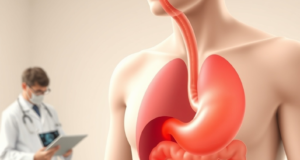
Gastric sleeve surgery, or sleeve gastrectomy, involves reducing the size of the stomach to form a smaller, tube-like pouch. This limits food intake and decreases hunger hormones, encouraging controlled eating patterns. Unlike restrictive diets, this procedure triggers fundamental metabolic changes that optimize how the body regulates blood sugar and energy.
Performed by medical professionals under controlled conditions, gastric sleeve surgery offers patients both safety and precision. Its minimally invasive nature allows faster recovery while promoting substantial and lasting improvements in appetite control and digestion.
The Metabolic Connection to Diabetes Prevention
The gastric sleeve does more than reduce body weight; it initiates a cascade of hormonal and metabolic changes that enhance insulin sensitivity. Excess fat, particularly around the abdomen, contributes to insulin resistance, which is a hallmark of type 2 diabetes. By facilitating sustainable weight loss, the gastric sleeve helps the body respond more effectively to insulin, thus stabilizing blood glucose levels.
Patients who undergo the procedure often see dramatic improvements in blood sugar control, with many reducing or even eliminating their need for diabetes medication. Collaborating with professionals who specialize in gastric sleeve ensures ongoing medical support to maintain these metabolic gains long after surgery.
Hormonal Shifts That Support Glucose Regulation
The gastric sleeve alters the production of key gut hormones, such as ghrelin and GLP-1, which play crucial roles in appetite and blood sugar regulation. Following surgery, reduced ghrelin levels lead to a decreased appetite, while increased GLP-1 promotes insulin secretion and improves glucose utilization.
These internal shifts not only help regulate eating habits but also directly impact the pancreas, enhancing its ability to maintain balanced blood sugar levels. This process demonstrates how surgical intervention can act as a long-term solution for managing metabolic disorders at their root.
The Importance of Postoperative Support and Lifestyle Integration
Gastric sleeve surgery marks the beginning of a transformative journey rather than its end. Postoperative guidance, nutritional counseling, and lifestyle alignment are integral to maintaining long-term results. Patients are encouraged to adopt nutrient-rich diets, stay physically active, and attend follow-up consultations to monitor progress.
Gaining a deeper understanding of the process through a comprehensive guide to gastric sleeve surgery helps individuals prepare both physically and mentally for this transition. Structured professional support ensures sustainable success while minimizing potential complications.
Long-Term Health Benefits Beyond Diabetes
While reducing diabetes risk is one of the most prominent benefits, the gastric sleeve also addresses other weight-related conditions. Patients often experience improved cardiovascular function, reduced joint stress, better mobility, and enhanced sleep quality. Collectively, these changes elevate energy levels and overall quality of life.
Sustaining these health gains requires commitment and continuous medical supervision. Regular assessments help identify nutritional needs and reinforce healthy habits, ensuring the positive effects of the procedure endure for years to come.
Conclusion
The gastric sleeve is not just a surgical procedure; it is a comprehensive health intervention that reshapes the body’s metabolic landscape. By reducing stomach size, regulating hormones, and improving insulin response, it empowers individuals to manage or even prevent diabetes. For those seeking professional treatment options, gastric sleeve surgery offers a proven path toward sustainable weight management and long-term wellness.