When it comes to clearing out old materials, organizing metal waste, or managing leftovers from renovation or fabrication projects, efficient preparation can make all the difference. With scrap pickup in Woodstock, individuals and businesses can streamline the recycling process and ensure they get maximum value from their collected materials. Properly preparing your scrap before collection saves time, improves payout accuracy, and allows for a smoother pickup experience.
Understanding Why Preparation Matters
Preparation is the foundation of efficient scrap collection. Scrap yards assess materials based on type, cleanliness, and weight, so taking the time to sort and organize items beforehand directly affects the price offered. When scrap is separated correctly, it reduces processing work for recycling facilities and minimizes the risk of undervaluation.
Additionally, organized materials help collection teams complete pickups faster, reducing delays and improving scheduling. Whether you are disposing of construction debris, old appliances, or metal fixtures, how you prepare can influence both convenience and profitability.
Step One: Identify and Separate Your Metals
The first step is identifying what types of metals you have. Scrap is generally classified as either ferrous or non-ferrous. Ferrous metals contain iron and are magnetic, including steel and iron beams. Non-ferrous metals such as copper, aluminum, and brass are non-magnetic and typically more valuable.
Separating metals into these categories ensures accurate pricing and prevents high-value materials from being weighed with lower-value ones. Using a magnet can quickly distinguish between the two types. Before arranging pickup, group similar materials together and, if possible, remove non-metal attachments such as plastic, rubber, or insulation. Clean, sorted scrap almost always receives a better valuation upon collection.
Step Two: Cut Down and Organize Bulk Materials
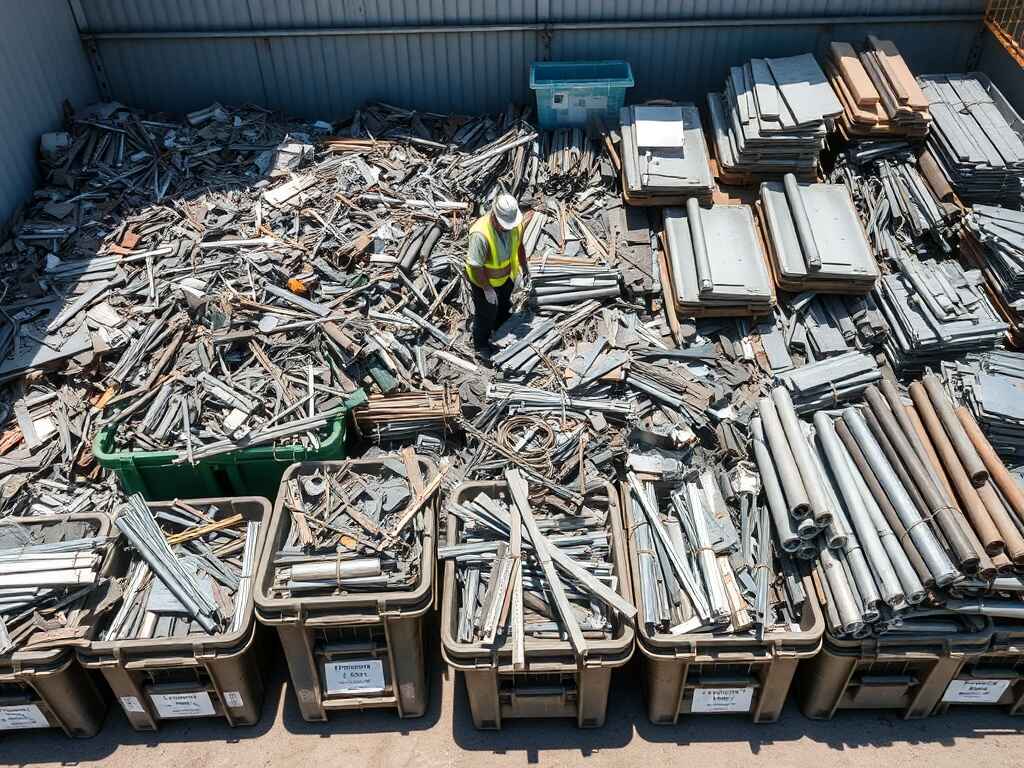
Large or irregularly shaped items can make transportation more difficult. Cutting larger pieces into manageable sizes not only speeds up pickup but also improves safety during loading. Pipes, frames, or metal rods should be bundled neatly, while smaller pieces can be collected in bins or containers. Make sure that any sharp edges are secured to avoid potential hazards during handling. This organization ensures that collection crews can load materials efficiently without unnecessary downtime.
Step Three: Clean and Clear Your Scrap Area
A clean collection area helps expedite the pickup process. Remove any obstacles or clutter that might hinder access to your scrap pile. If your materials are stored indoors or in a confined space, ensure there’s a clear path for equipment or loading personnel. Preparing the area also helps avoid accidental mix-ups with other materials. Keeping your scrap in a designated section ensures that only intended items are removed, protecting any materials you plan to keep.
Step Four: Know the Value of Your Scrap
Before your scheduled pickup, it’s wise to have an idea of the current metal market rates. Prices fluctuate based on demand and availability, so a general understanding of value helps you set expectations and negotiate confidently. Understanding the benefits of recycling scrap metals shows how recycling contributes to material recovery and long-term savings. Knowing which factors influence prices ensures you receive fair compensation during collection.
Additional Tips for Efficient Scrap Management
Maintain a separate container for high-value metals, such as copper or brass. These materials often yield better returns when sold individually. Also, keeping documentation of previous pickups can help track your scrap volumes and estimate future returns.
If your operation regularly generates large amounts of waste, working with a professional recycling partner can provide ongoing logistical and financial advantages. Over time, this builds a consistent, profitable system for managing excess materials effectively.
Conclusion
Preparing your scrap for pickup is a straightforward process that can yield significant rewards when done correctly. By sorting, cleaning, and organizing materials ahead of time, you ensure a faster pickup, better valuation, and a smoother overall transaction. Partnering with a professional collection service allows you to maximize efficiency and profitability while maintaining a clean, organized workspace.