Finding out that a tenant has passed away in your rental property is something no landlord or property manager wants to deal with. Maybe a neighbor called because they haven’t seen the tenant in several days. Maybe someone noticed an unusual odor coming from the apartment. Or perhaps a family member contacted you with the news. Whatever the circumstances, it’s important to know what to do next. There are legal responsibilities to consider, personal belongings that need to be protected, and potentially serious cleaning issues inside the property.
Jim Pittman of Pacific BioResponse Services shares some practical steps Oregon landlords and property managers can take during the first 24 hours after learning about a tenant’s death.
First Things First: Contact the Authorities
If you suspect a tenant has died inside the property but nobody has confirmed it, your first step should be to contact the authorities. Call 911 if you believe there’s an immediate emergency. Otherwise, contact your local police department’s non-emergency number and request a welfare check. Avoid entering the unit yourself unless there’s an immediate emergency that requires action.
There may be health hazards inside, and entering before law enforcement arrives could interfere with an investigation.
Wait Until the Property Is Released
Depending on the circumstances, law enforcement and the medical examiner may need to investigate the death. Under Oregon Revised Statute 146.090, certain deaths must be investigated by a medical examiner, including those involving suspicious or unknown circumstances. If the tenant passed away alone and the cause of death isn’t immediately clear, officials may need additional time to complete their work. Until you’re told the unit has been released, don’t allow maintenance workers, cleaners, or other unauthorized people inside.
Once the Unit Is Released, Secure the Property
After the authorities have finished their work and the property has been released, you’ll need to make sure the unit is secure. Check that all doors and windows are locked. If you’re unsure who has keys, consider whether the locks need to be changed. You should also keep a record of anyone who enters the unit, including the date, time, and reason for entry. This helps protect the tenant’s belongings and provides documentation if questions come up later. If the death wasn’t discovered right away, there may also be an odor affecting nearby apartments or common areas. In that situation, have a qualified professional evaluate the problem. Don’t send your maintenance crew inside to remove contaminated materials or attempt to cover up the smell with air fresheners.
Contact Your Insurance Company
It’s a good idea to notify your landlord insurance carrier as early as possible. Depending on your policy and the circumstances, there may be coverage for certain cleanup expenses, property damage, or lost rental income. Ask your insurance representative what documentation you’ll need before any work begins. Keep copies of invoices, photographs, correspondence, and other records related to the incident.
Be Careful About What You Tell Other Tenants
If you manage an apartment building or multifamily property, other residents may have questions. You don’t need to share personal details about the deceased tenant or explain the circumstances of the death. A simple statement that an incident occurred and the appropriate professionals are handling it is usually enough. If other units are affected by odors or building maintenance issues, let those residents know what steps are being taken to address the problem without disclosing private information.
Don’t Remove the Tenant’s Belongings Without Following Oregon Law
One of the biggest mistakes a landlord can make after a tenant’s death is assuming the property can immediately be emptied. Even if the tenant lived alone, their belongings may need to be handled through the estate process. Oregon has specific rules governing personal property left behind after a tenant dies. Under ORS 90.425, landlords must follow applicable notice and property-handling requirements before disposing of belongings. When the deceased tenant was the sole occupant, additional rules may apply concerning notification of known heirs, designated persons, personal representatives, and the appropriate estate administrator. Before moving or disposing of anything, make sure you understand which requirements apply to your situation.
Contact the Appropriate Family Members or Representatives
Start by checking the rental application and lease for emergency contact information or anyone the tenant designated to handle personal property. If a family member contacts you, ask whether a personal representative has been appointed to manage the estate. Keep records of all communications and written notices. It’s also important to distinguish between personal belongings and materials that may be contaminated. If there are biological hazards inside the unit, coordinate with the appropriate legal representative and cleanup professionals before anything is disturbed.
When Professional Biohazard Cleanup Is Necessary
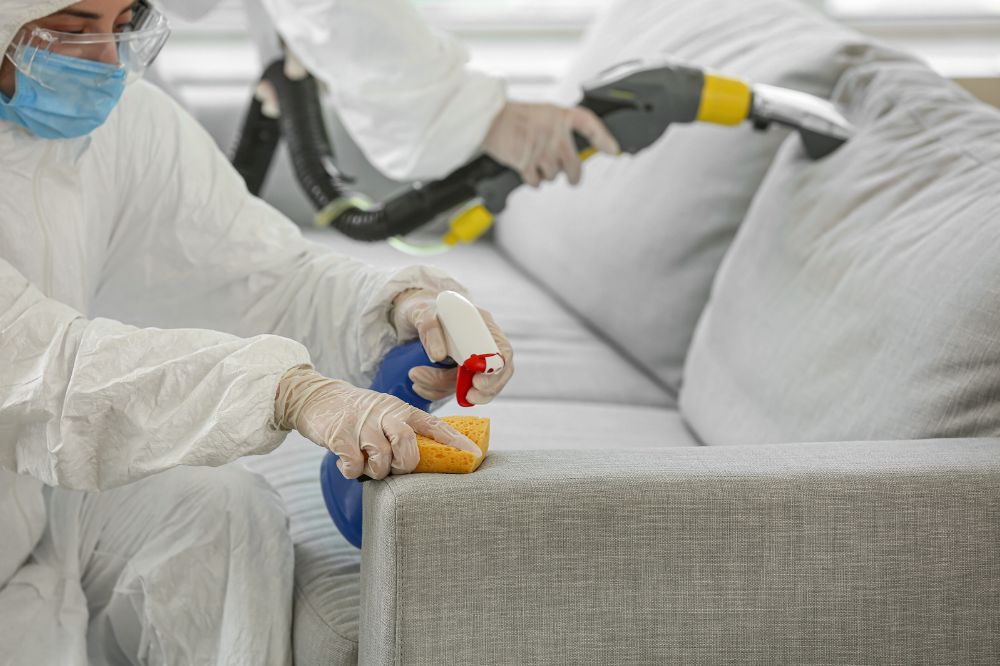
Not every death inside a rental property requires specialized cleanup. However, if the tenant wasn’t discovered for several days, or if blood, bodily fluids, or other biological materials are present, the situation may require professional biohazard remediation. This isn’t the kind of cleaning you should assign to a regular maintenance employee or housekeeping crew. Depending on the circumstances, contamination can affect carpeting, flooring, mattresses, drywall, and other porous materials. In more serious cases, fluids may reach the subfloor or other areas that aren’t immediately visible.
Why Regular Cleaning Isn’t Enough
Blood and certain other bodily fluids can carry infectious pathogens. OSHA’s Bloodborne Pathogens Standard establishes requirements for employers whose workers may be exposed to these hazards as part of their jobs. These requirements can include employee training, appropriate protective equipment, an exposure control plan, and hepatitis B vaccination provisions. Most general maintenance teams aren’t equipped or trained to handle a death scene involving biological contamination. Trying to clean the area with household disinfectants or simply replacing the carpet may leave contamination behind.
What Does Professional Cleanup Include?
A qualified biohazard cleanup company will first evaluate the affected areas and determine what needs to be cleaned, disinfected, or removed.
Depending on the condition of the property, the work may include:
- Identifying areas affected by blood, bodily fluids, or decomposition.
- Removing contaminated carpeting, padding, flooring, or other materials that cannot be safely restored.
- Cleaning and disinfecting affected surfaces using appropriate products and procedures.
- Addressing odors by removing their source rather than simply masking them.
- Properly packaging and disposing of contaminated waste.
- Documenting the cleanup for property management and insurance purposes.
The extent of the work depends on how long the contamination has been present and which building materials are affected.
How to Choose a Biohazard Cleanup Company
If the unit requires specialized cleaning, look for a company with experience handling unattended deaths and trauma scenes.
Before hiring, ask a few questions:
- Do you have experience with unattended death and decomposition cleanup?
- Are your technicians trained in bloodborne pathogen safety and proper biohazard handling?
- Do you follow applicable OSHA requirements and Oregon waste disposal regulations?
- Can you provide documentation of the work completed?
- Do you work with landlord insurance companies?
- Are emergency and after-hours services available?
- Can you handle the cleanup discreetly?
Privacy is especially important in apartment buildings and other rental communities. An experienced crew should understand how to work respectfully around neighboring tenants and the deceased person’s family.
What Happens After the Cleanup?
Once the affected areas have been professionally cleaned, there may still be repairs to complete before the property is ready for another tenant. Depending on the damage, you might need to replace flooring, repair drywall, repaint, or address lingering moisture and odor issues. Make sure the affected areas have been properly addressed before closing up walls or installing new flooring. You’ll also need to finish handling the deceased tenant’s belongings and address the lease, security deposit, and other estate-related matters according to Oregon law. Keep all cleanup invoices, repair records, photographs, and relevant communications organized in case they’re needed later.
First 24 Hours: A Quick Checklist for Oregon Landlords
If you’re dealing with a tenant death, these are the main things to focus on during the first day:
- Contact the authorities. Request a welfare check if the death hasn’t been confirmed.
- Wait for the unit to be released. Don’t enter or authorize cleaning while an official investigation is underway.
- Secure the property. Lock the unit, protect belongings, and document authorized entries.
- Notify your insurance company. Ask about coverage and documentation requirements.
- Contact the appropriate representative. Review emergency contact information and determine who has authority to handle the tenant’s estate.
- Follow Oregon’s property laws. Don’t remove or dispose of belongings without meeting applicable legal requirements.
- Arrange professional cleanup if needed. Biological contamination should be handled by properly trained professionals.
Not every step will be completed within 24 hours. An investigation, estate process, or claim may take longer. The important thing is getting started in the right order.
Handling a Difficult Situation the Right Way
A tenant’s death can leave landlords and property managers with responsibilities they may never have faced before. The best approach is to avoid rushing, document what happens, and make sure the right people are involved at each stage. Let the authorities handle the initial investigation, follow Oregon’s requirements for personal property, and bring in trained professionals when biological cleanup is necessary. Taking care of the situation properly helps protect the property, neighboring residents, and everyone involved.